Beyond the Restaurant: Crafting Perfect Korean Japchae Glass Noodles at Home
Imagine a dish that’s a vibrant tapestry of colors, a delightful interplay of textures, and a symphony of savory-sweet flavors that dance on your palate. That, in essence, is Japchae, the beloved Korean glass noodle dish. Often enjoyed in bustling Korean restaurants or at special family gatherings, Japchae holds a special place in the hearts of many. But what if we told you that achieving that restaurant-quality perfection, especially those iconic japchae korean glass noodles, is not only possible but incredibly rewarding right in your own kitchen?
For many, the first encounter with Japchae is an unforgettable moment. Perhaps it’s that initial bite of slippery, chewy noodles, mingled with tender strips of marinated beef and crisp-tender vegetables, all coated in a mesmerizing, umami-rich sauce. It’s a dish that can spark an immediate obsession, inspiring home cooks to embark on a culinary quest to master its intricacies. This journey from admirer to artisan is what we're exploring today – transforming a special occasion indulgence into a homemade triumph that might just outshine your favorite eatery.
The Allure of Japchae: A Feast for the Senses
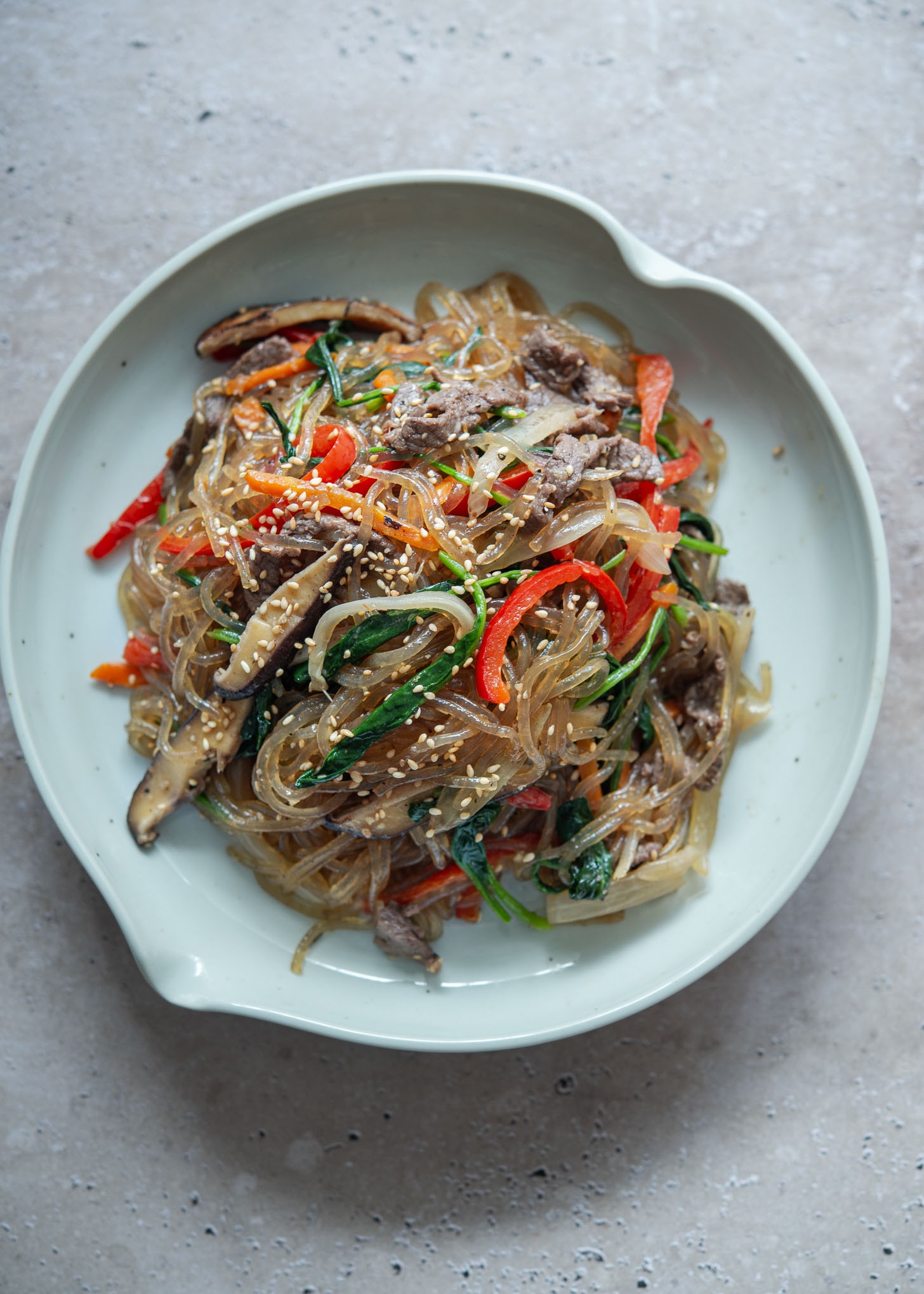
Japchae is a dish that truly engages all five senses. Visually, it's a spectacle – a "rainbow in a bowl" as it's often described. Bright green spinach, vivid red bell peppers, sunny yellow carrots, and earthy brown mushrooms intertwine with glistening, translucent glass noodles and rich, caramelized beef. This riot of color is not just for show; it hints at the diverse flavors and nutrients packed within.
Beyond its striking appearance, Japchae offers an exciting textural adventure. The signature chewiness of the glass noodles contrasts beautifully with the succulence of the beef and the satisfying bite of the stir-fried vegetables. Each forkful is a different experience, a testament to the meticulous preparation that goes into balancing these elements. And then there's the taste – a harmonious blend of savory, sweet, and a subtle warmth, often underpinned by the nutty depth of sesame oil and the complex notes of gochujang. It's this intricate balance that makes Japchae so utterly captivating and keeps us coming back for more.
Decoding the Perfect Japchae Korean Glass Noodles: Essential Ingredients
Crafting exceptional Japchae at home begins with understanding and respecting its foundational ingredients. Compromise on these, and you risk losing the authentic soul of the dish. Here's what makes the magic happen:
- The Unmistakable Glass Noodles: If there's one non-negotiable component, it's the japchae korean glass noodles themselves. These aren't your typical wheat or rice noodles. Made from sweet potato starch, they possess a unique glassy, translucent appearance when cooked, coupled with a wonderfully chewy and springy texture that is central to the Japchae experience. Swapping them out for any other noodle type simply won't yield the same delightful result. They absorb the sauce beautifully without becoming soggy, maintaining their integrity throughout the dish.
- The Winning Beef: Boneless Short Ribs: While various cuts of beef can be used, boneless short ribs emerge as the undisputed champion for home cooks aiming for restaurant quality. After rigorous testing, these cuts consistently deliver exceptional tenderness and flavor, cooking quickly while retaining just the right amount of marbling to keep them juicy and rich. Thinly slicing them against the grain is crucial for that melt-in-your-mouth texture. If boneless short ribs aren't available, thinly sliced ribeye or sirloin can be decent alternatives, but they may lack the specific richness that short ribs provide.
- The Soulful Sauce: A Symphony of Flavors: The sauce is the lifeblood of Japchae, imparting that signature savory-sweet-umami profile. While it shares some similarities with a classic sesame noodle sauce, its distinct Korean character comes from a few key players. A touch of extra brown sugar balances the savory notes, while plenty of fragrant sesame oil delivers a rich, nutty depth. The true secret weapon, however, is gochujang – a fermented Korean chili paste. Unlike sriracha or other hot sauces, gochujang offers a unique complexity, providing a mild, earthy heat with underlying sweet and savory tones that are indispensable for an authentic Korean flavor. A splash of rice vinegar brightens the sauce, and tamari (or regular soy sauce) provides the salty umami base. Garlic and a hint of black pepper round out this exquisite blend.
- The Vibrant Medley: A Rainbow of Veggies: A colorful assortment of vegetables not only adds visual appeal but also contributes essential flavors and textures. Common choices include bell peppers (red, yellow, or orange for color), thinly sliced carrots, onions, earthy mushrooms (shiitake or cremini are excellent), and fresh spinach. While this combination is classic, feel free to experiment with other stir-fry friendly vegetables like zucchini or snap peas. The key is to prepare each vegetable thoughtfully, cutting them uniformly for even cooking and ensuring they remain crisp-tender, not mushy. For a deeper dive into selecting the best cuts of beef and perfecting your sauce, explore The Ultimate Japchae Guide: Best Beef, Noodles & Sauce for Home Cooking.
Mastering the Technique: Timing, Tossing, and Taste
With the right ingredients in hand, the next step is to master the techniques that bring Japchae to life. Precision and patience are your allies here.
- Marinating the Beef: The foundation of flavorful beef lies in a good marinade. Whisk together your chosen soy sauce (tamari for a less salty option), brown sugar, rice vinegar, a touch of sesame oil, minced garlic, and a dash of pepper. Toss your thinly sliced short ribs with this mixture and allow them to marinate for at least 30 minutes. This not only infuses the beef with flavor but also tenderizes it, ensuring a juicy, succulent bite.
- Stir-Frying Mastery: The Art of Crisp-Tender Veggies: Stir-frying is an art form, especially when aiming for that perfect crisp-tender texture in your vegetables. The secret lies in cooking each vegetable separately, or in small batches, according to its density and cook time. Start with denser vegetables like carrots and onions, cooking them until slightly softened but still with a bite. Bell peppers follow, needing less time to retain their vibrant color and snap. Delicate spinach requires just a quick wilt at the very end. This sequential approach prevents overcooking some vegetables while leaving others raw, ensuring a balanced texture throughout the dish. Don't overcrowd your pan, as this steams rather than fries the vegetables, leading to a limp texture.
- Cooking the Glass Noodles: The japchae korean glass noodles require careful attention. Follow package instructions, typically boiling them until just tender yet still chewy. Overcooked glass noodles can become mushy, losing their characteristic spring. Once cooked, rinse them under cold water to stop the cooking process and prevent them from sticking together, then drain them thoroughly.
- Assembling the Symphony: This is where all your perfectly prepared components come together. In a large bowl, combine the cooked glass noodles, stir-fried beef, and all the crisp-tender vegetables. Pour in your prepared Japchae sauce and, using your hands (with clean gloves for an authentic touch!) or tongs, gently toss everything together until every strand of noodle and every piece of ingredient is evenly coated. This ensures a harmonious distribution of flavor and color. Taste and adjust seasoning as needed – perhaps a little more soy sauce for savoriness or brown sugar for sweetness.
Beyond the Plate: Japchae's Cultural Significance
Japchae is more than just a delicious meal; it's a dish woven into the fabric of Korean culture, often symbolizing celebration and generosity. For many, it evokes memories of family gatherings, special occasions, and the warmth of shared meals. The act of making Japchae at home, painstakingly preparing each component, is a testament to the love and care put into feeding loved ones. It can also be a point of cultural pride, a delicious way to share a piece of heritage with friends and family, much like finding confidence in sharing beloved family recipes. To truly understand the nuances of authentic Korean flavors and techniques, don't miss Mastering Japchae: Secrets to Authentic Korean Glass Noodle Perfection.
Making Japchae at home is a journey of culinary discovery. It may take a few tries to perfect the timing of your stir-fry, the thinness of your beef, or the exact balance of your sauce. But with each attempt, you'll gain a deeper understanding of this incredible dish. The satisfaction of presenting a vibrant bowl of homemade japchae korean glass noodles – knowing you've crafted it from scratch, perhaps even surpassing your favorite restaurant's version – is truly unparalleled. So, gather your ingredients, embrace the process, and get ready to create a masterpiece that's not just a meal, but a celebration.
