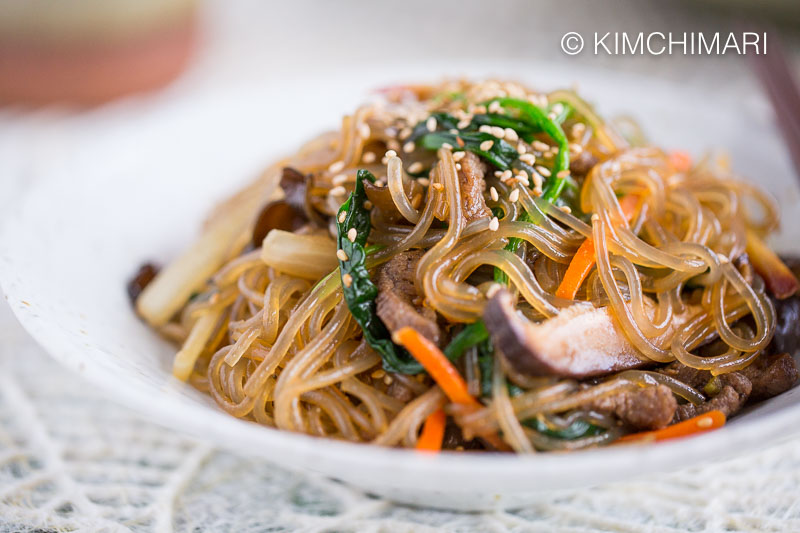
The Ultimate Japchae Guide: Best Beef, Noodles & Sauce for Home Cooking
Few dishes capture the vibrant essence of Korean cuisine quite like Japchae. This beloved culinary masterpiece is more than just a stir-fry; it's a symphony of textures, flavors, and colors that dances on the palate. Imagine tender strips of perfectly marinated beef, a medley of crisp-tender, stir-fried vegetables, and the unique chewiness of sweet potato glass noodles, all coated in an irresistibly savory-sweet sauce. It’s a dish that not only satisfies the hunger but also tells a story of culinary artistry.
For many, the first encounter with japchae korean glass noodles is a revelation. Perhaps it's at a bustling Korean restaurant, a special family gathering, or even through a friend's home cooking. The initial taste often sparks an immediate obsession, driving many to attempt recreating this magic in their own kitchens. While achieving restaurant-quality Japchae at home might seem daunting, especially nailing the balance of flavors and the distinct textures, it’s entirely achievable with the right guidance. This comprehensive guide will walk you through every critical component, from selecting the best beef and mastering the unique glass noodles to perfecting that signature umami-packed sauce, ensuring your homemade Japchae is nothing short of spectacular.
The Foundation of Flavor: Essential Ingredients for Perfect Japchae
Creating truly exceptional japchae korean glass noodles begins with understanding and appreciating its core components. Each ingredient plays a vital role in building the dish's distinctive character, and compromising on a few key elements can significantly alter the outcome.
- The Unnegotiable Noodle: Sweet Potato Glass Noodles (Dangmyeon)
If there's one ingredient you simply cannot substitute, it's the Korean glass noodle itself, known as dangmyeon. Made from sweet potato starch, these translucent noodles possess a remarkably unique texture – glassy yet incredibly chewy and springy. Unlike wheat-based noodles, they absorb the sauce beautifully without becoming soggy, offering a delightful bite that is absolutely central to the Japchae experience. Swapping them out for other noodle types would fundamentally change the dish, losing that iconic chewiness that makes Japchae so special. - The Star Protein: Why Boneless Short Ribs Reign Supreme
While various cuts of beef can be used, boneless beef short ribs consistently emerge as the top choice for an authentic, melt-in-your-mouth Japchae. After extensive testing by culinary enthusiasts, short ribs prove superior because they cook quickly, remain exceptionally tender, and offer just the right amount of marbling for a rich, juicy bite. The fat content contributes significantly to the overall flavor and texture, mirroring that coveted restaurant quality. When preparing, ensure they are thinly sliced against the grain to maximize tenderness and absorb the marinade efficiently. If boneless short ribs are hard to find, a well-marbled sirloin or ribeye, thinly sliced, can be a good alternative, though you might miss some of that signature richness. - The Rainbow Medley: Vibrant Vegetables
Japchae is as much a feast for the eyes as it is for the palate, thanks to its vibrant array of vegetables. A classic combination includes thinly sliced bell peppers (red, yellow, or green for color contrast), julienned carrots, sliced onions, earthy mushrooms (shiitake or oyster are excellent choices), and fresh spinach. This medley not only adds beautiful color but also contributes diverse textures and nutritional value. While you can customize your vegetable selection based on preference and seasonality, remember that each vegetable has its own ideal cooking time. We'll delve into the art of stir-frying them perfectly later on, but for now, focus on thinly slicing them to ensure even cooking and seamless integration into the dish.
Crafting the Signature Japchae Sauce: The Heartbeat of the Dish
The sauce is arguably the most critical component, binding all the disparate elements into a cohesive and unforgettable dish. It's a delicate balance of sweet, savory, umami, and a hint of spice, designed to coat every strand of japchae korean glass noodles and every piece of beef and vegetable.
Key Sauce Components: Beyond Basic Soy
- Soy Sauce vs. Tamari: While regular soy sauce works well, many prefer tamari for its slightly milder saltiness and rich umami depth. Tamari is also a great gluten-free option, making Japchae accessible to more people.
- Brown Sugar: This is the secret to the characteristic savory-sweet profile of Japchae. A little extra brown sugar, as suggested by seasoned home cooks, elevates the sauce beyond typical stir-fries, providing a delightful caramelization and sweetness that balances the savory notes.
- Sesame Oil: Essential for its rich, nutty aroma and flavor, a generous splash of high-quality sesame oil adds incredible depth and authenticity. It’s a non-negotiable ingredient that provides that distinct Korean flair.
- Garlic & Black Pepper: Freshly minced garlic and a good grind of black pepper infuse the sauce with aromatic warmth and a subtle kick, complementing the other flavors without overpowering them.
- Rice Vinegar: A small splash of rice vinegar introduces a bright, tangy note that cuts through the richness of the beef and sesame oil, preventing the dish from tasting too heavy and adding a pleasant complexity.
- Gochujang: The Authentic Korean Chili Paste: This ingredient is a game-changer. Unlike sriracha or other hot sauces, gochujang is a fermented Korean chili paste with a unique sweet, savory, and spicy profile. It imparts a deeply authentic Korean flavor that cannot be replicated. If you can get your hands on it – and you absolutely should for true Japchae – it makes all the difference, providing a subtle heat and profound depth. For those looking to master the nuances of this and other authentic ingredients, check out Mastering Japchae: Secrets to Authentic Korean Glass Noodle Perfection.
Mastering the Techniques: From Marinade to Stir-Fry Perfection
The journey to perfect japchae korean glass noodles involves precise techniques, especially when it comes to marinating the beef and cooking the vegetables. Timing, as many experienced cooks will attest, is everything.
The Art of Preparation and Assembly
- Marinating the Beef: Combine your thinly sliced boneless short ribs with a marinade of soy sauce (or tamari), brown sugar, rice vinegar, sesame oil, minced garlic, and black pepper. Toss to coat evenly and allow it to marinate for at least 30 minutes. This not only tenderizes the beef but also infuses it with incredible flavor, ensuring every bite is succulent and aromatic.
- Noodle Preparation: Cook the sweet potato glass noodles according to package directions, typically by boiling until tender but still chewy. Immediately rinse them under cold water to prevent sticking and stop the cooking process. Then, gently toss them with a little sesame oil to keep them separate and add an initial layer of flavor.
- The Stir-Fry Sequence: This is where the magic happens and where individual care for each ingredient shines.
- Begin by quickly stir-frying the marinated beef until just cooked through and beautifully browned. Remove it from the pan and set aside.
- In the same pan, tackle the vegetables, often starting with onions and carrots, which require a bit more cooking time. Follow with bell peppers, then mushrooms. The key is to stir-fry each vegetable separately, or in small batches, just until crisp-tender. This ensures each vegetable retains its vibrant color and distinct texture, avoiding a soggy outcome.
- Finally, wilt the spinach quickly at the very end, as it cooks down almost instantly. For a deeper dive into optimizing your stir-fry, consider reading Beyond the Restaurant: Crafting Perfect Korean Japchae Glass Noodles at Home.
- Bringing It All Together: Once all components are cooked, combine the noodles, beef, and stir-fried vegetables in a large bowl. Pour your prepared Japchae sauce over everything and gently toss. The key here is gentle tossing to avoid breaking the delicate glass noodles, ensuring the sauce evenly coats every element.
Tips for Japchae Perfection: Elevate Your Home-Cooked Dish
Beyond the fundamental steps, a few insights can truly elevate your homemade japchae korean glass noodles from good to extraordinary.
- Taste as You Go: Adjust the sauce's sweetness or saltiness before adding it to the main dish. A little more brown sugar, a dash more soy sauce, or an extra splash of sesame oil can make all the difference.
- Don't Overcook the Noodles: Glass noodles can become mushy if overcooked. Aim for a firm, chewy texture that still has some bite.
- Prep Everything Ahead: Japchae is a fast-paced dish once you start cooking. Having all your ingredients sliced, marinated, and measured before you begin will make the cooking process much smoother and more enjoyable.
- Optional Additions: For a more traditional touch, consider garnishing with thinly sliced fried egg strips (jidan) or toasted sesame seeds. These additions enhance both presentation and flavor.
- Freshness is Key: Use fresh, high-quality vegetables and beef. The difference in flavor is palpable.
Japchae, like many iconic dishes, carries a story. It's often associated with celebration, shared meals, and the warmth of family. For some, it might evoke memories of a parent's cooking, a dish that proudly showcased cultural heritage, even in unexpected surroundings. Its ability to bring people together, transcending cultural boundaries with its universally appealing flavors, is part of its charm. Mastering this savory-sweet glass noodle stir-fry at home isn't just about cooking a meal; it's about embracing a culinary journey and creating new cherished memories.
Conclusion
Creating the ultimate japchae korean glass noodles at home is a rewarding experience that combines culinary skill with an appreciation for vibrant flavors and textures. By focusing on the right ingredients – from the unique sweet potato noodles and tender boneless short ribs to that perfectly balanced, gochujang-infused sauce – and mastering the precise cooking techniques, you can achieve a dish that rivals any restaurant. So gather your ingredients, follow this guide, and prepare to delight your senses with a truly authentic and unforgettable Korean Japchae. Happy cooking!
