Mastering Japchae: Secrets to Authentic Korean Glass Noodle Perfection
There are few dishes that capture the essence of Korean cuisine quite like Japchae. A vibrant medley of stir-fried vegetables, tender marinated meat, and the star of the show — incredibly chewy sweet potato glass noodles — it's a dish that delights both the eyes and the palate. More than just a meal, Japchae is often served at special occasions and celebrations, symbolizing good fortune and longevity. For many, it's a dish tied to cherished memories, a gateway to Korean flavors, or even a comforting taste of home. While its complex appearance might seem daunting, mastering authentic Korean glass noodle perfection is entirely achievable in your own kitchen. Let's unlock the secrets to creating a Japchae that truly sings.
The Allure of Japchae: A Symphony of Flavors and Textures
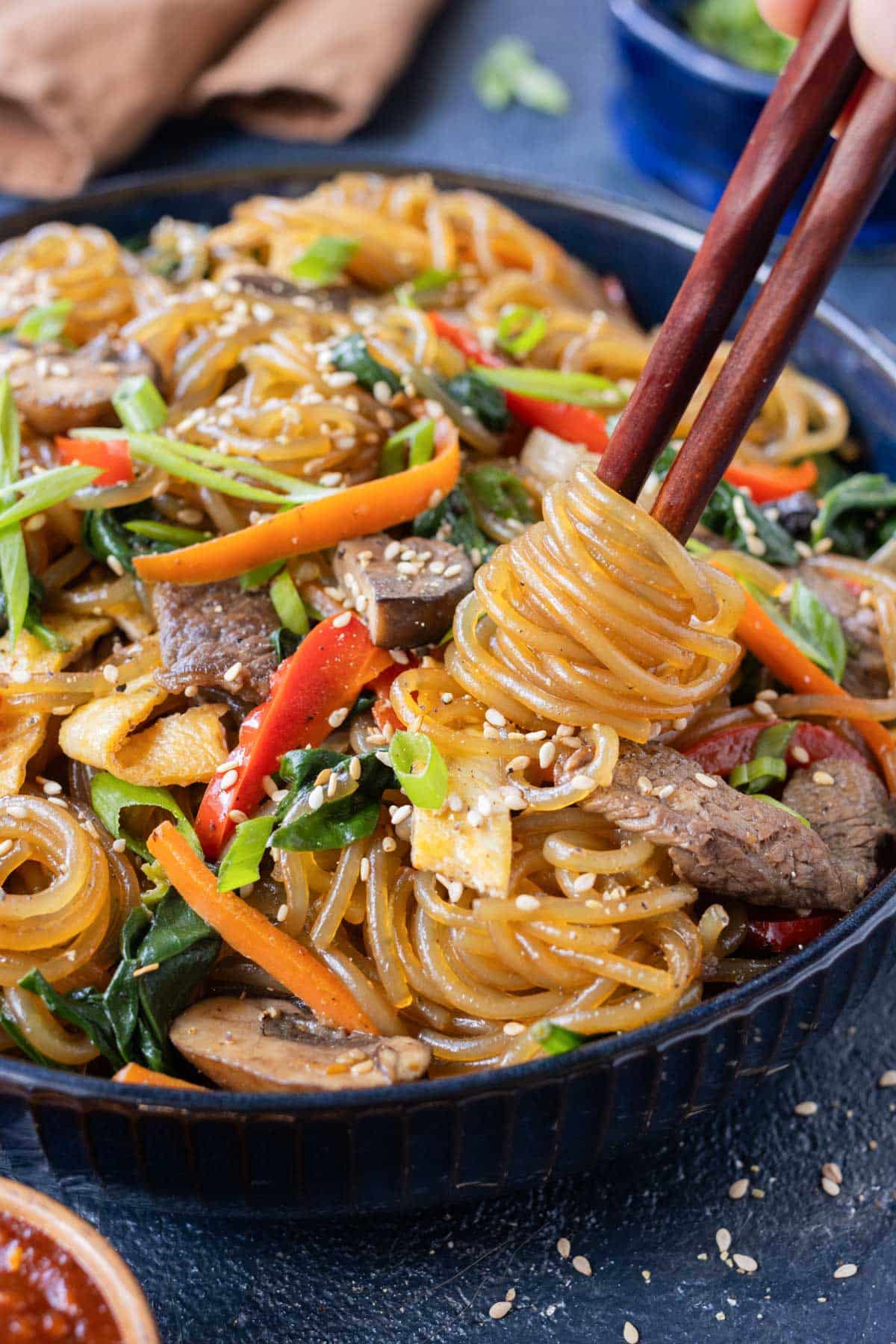
Imagine a bowl bursting with color: crimson bell peppers, emerald spinach, sunny carrots, earthy mushrooms, and glistening, translucent noodles. This visual feast is just the beginning. With your first bite, you're greeted by a delicate balance of savory and sweet, underscored by a rich, nutty aroma. The unique chewiness of the japchae korean glass noodles, made from sweet potato starch, provides a delightful contrast to the crisp-tender vegetables and succulent strips of beef. It’s a dish that proves how simple ingredients, when prepared with care and precision, can transform into something extraordinary. This harmonious blend of textures and tastes is what makes Japchae so universally beloved and, frankly, addictive.
Unlocking Authentic Japchae: Essential Ingredients You Can't Compromise On
The foundation of any great dish lies in its ingredients, and Japchae is no exception. To achieve that coveted restaurant-quality taste at home, certain elements are non-negotiable.
- The Glass Noodles (Dangmyeon): This is the absolute core of japchae korean glass noodles. Made from sweet potato starch, they possess a unique translucent appearance, a slightly springy, chewy texture, and a neutral flavor that readily absorbs the magnificent sauce. Do not substitute these with any other type of noodle; the dish simply won't be the same.
- The Beef: While various cuts can be used, our extensive testing — and that of many seasoned chefs — points to boneless beef short ribs as the undisputed champion. They cook quickly, remain incredibly tender, and have just the right amount of marbling to imbue the dish with a rich, savory depth. Thinly slicing them ensures they cook evenly and integrate seamlessly with the noodles and vegetables.
- Gochujang (Korean Chili Paste): This specialty Korean chili paste is a game-changer. Unlike generic hot sauces or even sriracha, gochujang offers a complex flavor profile that is simultaneously spicy, sweet, and fermented, contributing significantly to Japchae's authentic Korean essence. It adds warmth and depth without overwhelming the other delicate flavors.
- Tamari or Soy Sauce: Tamari, a gluten-free alternative, is often preferred for its slightly less salty profile while still delivering that crucial savory punch. However, good quality regular soy sauce works perfectly well.
- Sesame Oil: The nutty, aromatic richness of toasted sesame oil is indispensable. It's not just an oil; it's a fundamental flavor enhancer that permeates every strand of noodle and every piece of vegetable.
- A Medley of Vegetables: For that signature rainbow effect, a mix of bell peppers (various colors), carrots, onions, mushrooms (shiitake or cremini), and fresh spinach is ideal. Feel free to experiment with other additions like zucchini or green onions, but remember to adjust cooking times accordingly to maintain their crisp-tender texture.
- Optional Eggs: For a more traditional presentation, thinly sliced egg ribbons (jidan) can be a beautiful and tasty garnish.
Crafting the Perfect Japchae Sauce: The Heart of the Dish
While the noodles and fresh ingredients lay the groundwork, it’s the sauce that truly elevates Japchae from a simple stir-fry to an unforgettable culinary experience. Achieving that perfect balance of sweet, savory, and umami is crucial.
The core components of an exceptional Japchae sauce typically include:
- Soy Sauce (or Tamari): Provides the foundational savory, umami base.
- Brown Sugar: This is where the characteristic sweetness of Japchae comes from. A little extra brown sugar than you might expect is often the "secret" to that irresistible savory-sweet appeal, balancing the salty soy sauce and spicy gochujang.
- Gochujang: As mentioned, this delivers authentic Korean heat and depth. It introduces a subtle tang and a touch of fermented sweetness that generic chili sauces simply cannot replicate.
- Rice Vinegar: A splash of rice vinegar brightens the sauce, adding a delicate tang that cuts through the richness and lifts the overall flavor profile.
- Sesame Oil: Generous amounts of toasted sesame oil are essential, infusing the sauce with its rich, nutty, and highly aromatic essence. It's often added at the end, after cooking, to preserve its delicate flavor.
- Minced Garlic and Black Pepper: These aromatics provide a foundational layer of pungent warmth and subtle spice.
The beauty of this sauce is its versatility. You can adjust the sweetness with more or less brown sugar, or dial up the heat by increasing the gochujang. For a deeper dive into perfecting this crucial element, along with tips on selecting the best noodles and beef, consider reading The Ultimate Japchae Guide: Best Beef, Noodles & Sauce for Home Cooking.
Mastering the Technique: From Marination to Stir-Fry Perfection
Beyond the ingredients, technique is paramount in bringing all the elements of Japchae together harmoniously. This involves precise timing and careful preparation.
Preparing the Beef: Marination is Key
Start by thinly slicing your boneless short ribs against the grain — this ensures tenderness. For the marinade, whisk together soy sauce, brown sugar, rice vinegar, sesame oil, minced garlic, and a pinch of black pepper. Toss the beef slices thoroughly in this mixture and allow them to marinate for at least 30 minutes, or even better, a few hours in the refrigerator. This not only infuses the beef with flavor but also helps tenderize it, contributing to that irresistible juicy bite.
Stir-Frying the Vegetables: The Art of Crisp-Tender
The secret to perfectly cooked vegetables in Japchae lies in stir-frying them individually or in small batches, according to their required cooking times. This ensures each vegetable retains its vibrant color and crisp-tender texture, preventing them from becoming soggy. For instance, harder vegetables like carrots and onions might go in first, followed by bell peppers, and finally, quick-cooking greens like spinach. Wilting the spinach briefly and then squeezing out excess water before adding to the dish prevents it from making the final Japchae watery. This attention to detail truly matters for a restaurant-quality result.
Cooking the Glass Noodles: Slippery and Chewy
Sweet potato glass noodles need to be cooked until they are perfectly tender yet still possess their characteristic chewiness. Boil them according to package directions, typically until translucent and pliable, then drain them thoroughly and rinse under cold water to prevent sticking. A crucial step is to lightly toss them with a touch of sesame oil after rinsing — this not only prevents clumping but also infuses them with an initial layer of flavor.
Bringing It All Together: The Grand Assembly
Once all your components — marinated beef, stir-fried vegetables, and perfectly cooked noodles — are ready, it's time for the final assembly. Combine everything in a large bowl, adding the prepared Japchae sauce. The key here is to mix gently but thoroughly, ensuring every strand of noodle, every piece of beef, and every vegetable is coated in that amazing sauce. Many prefer to use their hands (wearing gloves!) for this step, as it allows for a more even and gentle distribution without breaking the delicate noodles. This final mixing brings the entire dish to life, creating that cohesive blend of flavors and textures.
Embracing these techniques transforms the cooking process into a culinary adventure, much like the journey of discovering a beloved dish. For more intricate details on crafting this delightful dish in your own kitchen, check out Beyond the Restaurant: Crafting Perfect Korean Japchae Glass Noodles at Home.
Mastering Japchae: Korean glass noodles is a rewarding culinary journey that combines traditional techniques with vibrant flavors. By focusing on essential ingredients like authentic sweet potato glass noodles, quality beef, and the unique spice of gochujang, and by paying close attention to marination and stir-frying techniques, you can recreate this beloved Korean classic with confidence. So, gather your ingredients, follow these secrets, and prepare to impress your family and friends with a truly authentic and delicious bowl of Japchae — a feast for the senses and a celebration of Korean cuisine.
